
You Just Got Your First 3D Printer - Now What?
Just unboxed your first 3D printer? Dive into our quick tips for a smooth start and pro-level tricks to up your printing game. Get set for success!
Bed Leveling
A level print bed is crucial for successful prints. Begin by ensuring your printer's bed is parallel to the printing movements of the nozzle. Use automatic bed-leveling sensors if your printer has them. If not, manually adjust the bed using knobs or screws at the corners. A common method involves using a piece of paper to feel for slight resistance between the nozzle and the bed, ensuring even distance across all points.
Learn more about Bed Leveling in our article:
3D Printing Essentials: How to Perfectly Level Your Bed
Or check out the video below:
Changing Filament
When switching filaments, heat the nozzle to the current filament's print temperature to soften it. Then, release the tension mechanism on the extruder and gently push the filament through before pulling it out. Trim the new filament at an angle for easier insertion, and feed it through until it extrudes without any remnants of the old filament.
Browse different filament 3D printer filament.

Swapping filaments for different projects will become second nature with more practice!
Material Selection
Different projects require different filament properties. PLA is user-friendly and comes in a variety of colors, but it's not heat-resistant. ABS is more durable and better for outdoor use but requires a heated bed and proper ventilation due to fumes. Consider your project's needs when choosing filament types.
There are TONS of different materials to choose from, so it's best to educate yourself on their different properties. Be sure to checkout our Filament Comparison Guide to learn more.
Below are some links to articles about how to succeed with various materials:
How To Succeed When 3D Printing With PLA Filament
How to Succeed when 3D Printing with PETG Filament
How to Succeed with Carbon Fiber NylonX
How To Succeed When 3D Printing With Nylon
How To Succeed When 3D Printing With ASA Filament
How To Succeed When Printing With ABS
How to Succeed with 3D Printing Metal on a Desktop 3D Printer
How to Succeed when 3D Printing with TPU and Flexible Filament
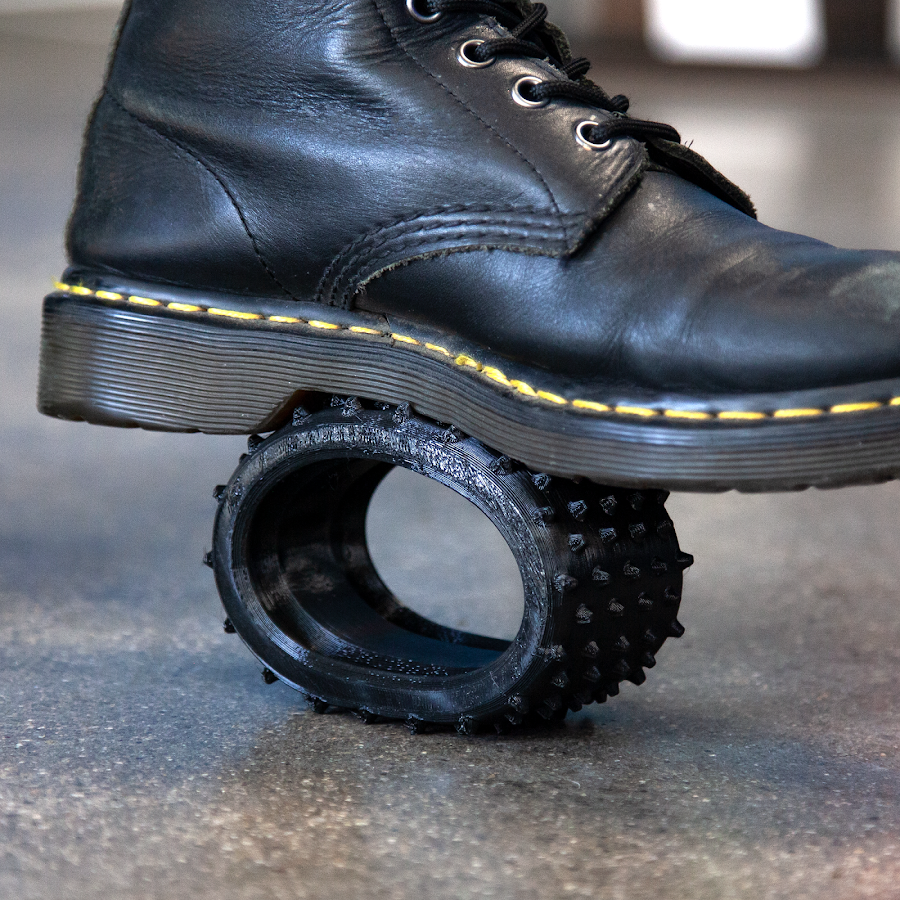
From flexible materials to carbon fiber-infused nylon, finding the right materials for your project is a crucial step for it's functionality.
Nozzle Replacement
Over time, nozzles wear down and affect print quality. To change a nozzle, heat the hot end to loosen any filament inside. Hold the heater block with pliers and unscrew the nozzle with a wrench. Install the new nozzle, ensuring it's tight enough to prevent leaks but not so tight that it strips the threading.
Here are some helpful articles about your 3D Printer's nozzle:
How To: Change a 3D Printer Nozzle
How To Unclog a 3D Printer Nozzle
5 Reasons Why Upgrading Your 3D Printer's Nozzle is a Good Idea
3D Printer Nozzle Comparison Guide
How To: 3D Print With a Larger Nozzle
Support Structures
Use supports for models with overhangs or sections that float in mid-air. However, some designs can bridge gaps without supports, and cylindrical holes often print fine up to certain angles. Use slicing software to generate supports where necessary, and consider designing models to minimize the need for supports.
Here are some more articles about support materials & how to use them:
Choosing the Right 3D Printing Support Material // Comparison Guide
How To Use Dissolvable and Breakaway Support Material
Explore more support materials support filament.
Bed Adhesion
Good bed adhesion is key to preventing warping. Different adhesives work well with different materials: PVA glue sticks for nylon, Magigoo or 3D Gloop for material-specific adhesion, and PEI sheets for general purposes. Choose the right adhesive for your filament and bed to ensure a successful print.
Here are some more articles regarding Bed Adhesion & Adhesives:
3D Printing Essentials: How to Succeed with Every Bed Surface Solution
Choosing the Best 3D Printing Bed Surface
Shop for Bed Adhesives 3D printer adhesive.
Shop for Build Surfaces build surface manufacturers.
Essential Tools
A well-equipped toolkit can greatly enhance your 3D printing experience. Include items like a spatula for print removal, flush cutters for trimming filament and supports, a brass brush for cleaning the nozzle, calipers for precise measurements, and a set of hex keys for printer maintenance.
Find essential 3D printing tool kits 3D printing tool kits.

Calipers are a great tool to accurately measure parts for precise 3D modeling and printing.
Continuous Learning
The field of 3D printing is constantly evolving. Stay informed by reading forums, articles, and tutorials. This knowledge can help you solve problems, improve print quality, and even inspire you to create innovative designs that push the boundaries of traditional manufacturing.
Check out the MatterHackers' Forum.
Need Some Extra Help?
Feel free to reach out to our support team with any questions that you have. Or, you can always contact sales@matterhackers.com to learn about our LaunchPad Sessions - these session are one on one hours that you can book with the Pros at MatterHackers to discuss anything you need - from 3D printer modeling to general setup!